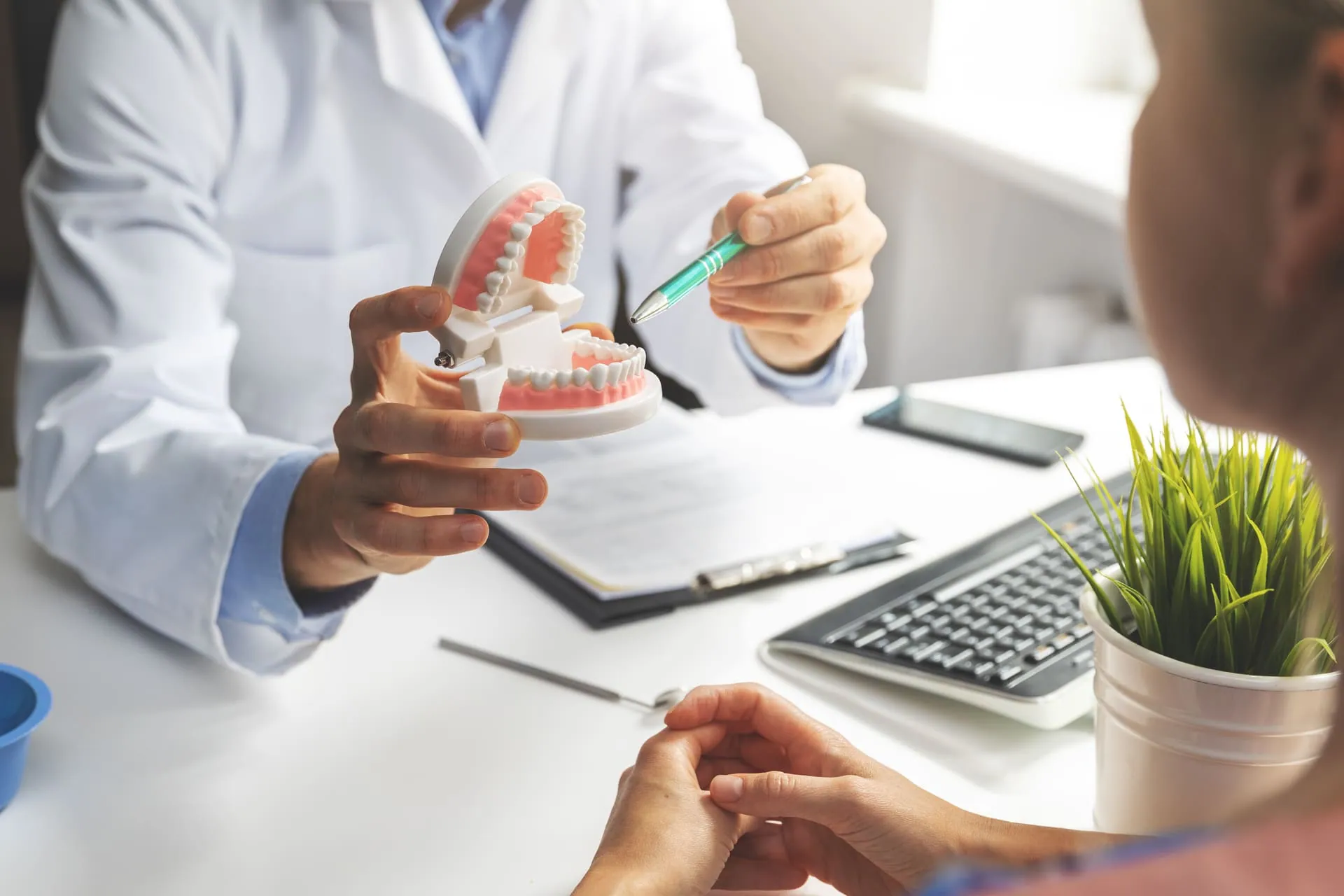
Dental Implants consultation at Clark Dental in Salisbury, NC

Dental Implants in Salisbury, NC at Clark Dental

Losing a tooth changes more than your smile. It can affect how you chew, how your bite settles over time, and how the bone beneath that gap holds up in the years ahead. For patients researching dental implants Salisbury NC families have come to rely on Clark Dental, where implant planning and placement happen in the same comfortable office you already know for cleanings and checkups. We accept Blue Cross Blue Shield, Cigna, and Delta Dental, and we offer flexible financing through CareCredit and Cherry, so cost doesn't have to stand between you and a lasting result. If you'd like to talk through your options, call us at (704) 637-0773 and we'll walk you through what's involved.

Why Dental Implants Are the Long-Term Solution for Missing Teeth

A missing tooth rarely stays a simple, one-tooth problem. Left alone, the gap can shift how you bite, how neighboring teeth sit, and how well your jawbone holds its shape. Implants are built to address the root of that problem, literally, by replacing the tooth from the bone up.

What Makes Implants Different from Other Tooth Replacement Options

A dental implant is a small titanium post placed into the jawbone, where it fuses with the bone over several months in a process called osseointegration. Once healed, it supports a custom crown that looks and functions like a natural tooth. Bridges and dentures rest on top of the gum or lean on neighboring teeth for support; an implant stands on its own, anchored the way a natural tooth root would be.

What Happens When a Missing Tooth Goes Untreated

An empty space in your smile doesn't stay empty for long, at least not in the way you'd want. Nearby teeth can drift or tilt into the gap, your bite can shift out of alignment, and the jawbone beneath the missing tooth begins to lose density without the stimulation a tooth root normally provides. Over time, this can make chewing harder, change your facial support, and complicate future treatment, including implant placement itself if too much bone is lost. Addressing a missing tooth sooner rather than later generally keeps your options simpler and your treatment more predictable.

The Benefits of Choosing Clark Dental for Implants in Salisbury

As your implant dentist in Salisbury, NC, Dr. Chris Clark approaches every case the same way he approaches general care: with a focus on precision, comfort, and a plan that actually fits your mouth and your life.

01

Advanced Technology: 3D CT Scanning and Computer-Guided Placement

Before any implant is placed, we use 3D cone beam CT scanning to get a complete picture of your jawbone, nerve pathways, and available bone density, information a standard X-ray simply can't provide. That imaging feeds into computer-guided implant placement, which lets Dr. Clark plan the exact position, angle, and depth of your implant before treatment day. For you, that translates into fewer surprises during surgery, a more precise fit, and often less chair time than older, freehand placement methods.

02

One Practice, Every Step, No Referrals Required

Dental implants are part of our broader Specialty & Advanced Care offerings, which means the imaging, planning, placement, and final restoration all happen under one roof. You won't be sent to a separate surgical office for part of your care and then back to us for the rest. That continuity matters: the same team that took your scans is the team placing your implant and following up on your healing.

Types of Implant Solutions We Offer

Whatever your case, dental implants Salisbury NC patients choose most often fall into a few categories, depending on how many teeth need replacing.

Single Tooth Implants

A single tooth implant replaces one missing tooth without touching the teeth on either side of it. It's often the most conservative option when just one tooth needs to go, preserving healthy enamel on neighboring teeth that a bridge would otherwise require reshaping.

Full Mouth Implants

For patients missing most or all of their teeth in an arch, full mouth implants use a small number of strategically placed implants to support a complete, fixed set of replacement teeth. This approach avoids the bulk and shifting some patients experience with traditional full dentures.

Implant-Supported Dentures

Implant-supported dentures combine the stability of implants with the familiar design of a removable denture, snapping securely onto a small number of implants for a more secure fit than dentures alone. If you're weighing this option against traditional dentures, our Dentures & Partials page walks through both approaches in more detail.

Implants vs. Bridges: Choosing the Right Option for Your Smile

Both implants and dental bridges replace missing teeth, but they work differently and suit different situations. The table below breaks down the practical differences patients ask about most.

FeatureDental ImplantsDental Bridges
Bone preservationStimulates the jawbone during chewing, which helps prevent the bone loss that follows tooth lossDoes not stimulate the bone, so the jaw beneath the gap may continue to shrink over time
Adjacent teeth affectedNeighboring teeth are left untouched; the implant stands on its ownRequires reshaping the teeth on either side of the gap to support the bridge
LifespanDesigned to last many years, often decades, with good home care and regular checkupsTypically lasts 10 to 15 years before it needs replacement or repair
MaintenanceBrush and floss as you would a natural tooth; no special tools requiredRequires a floss threader or similar tool to clean underneath the connecting piece
Cost considerationHigher upfront investment, though it's designed as a one-time solutionLower upfront cost, but may need replacement more than once over a lifetime
Best suited forPatients with enough jawbone who want an option that functions like a natural toothPatients who prefer a non-surgical option or whose neighboring teeth already need crowns

Neither option is automatically the better choice for everyone. It depends on your bone health, your budget, and how you'd like your bite to feel long term. We're glad to talk through both during a consultation.

What to Expect: Your Implant Journey at Clark Dental

Initial Consultation and 3D Imaging

Your first visit includes a conversation about your goals and health history, followed by a 3D CT scan so Dr. Clark can evaluate your jawbone and plan your case with precision. This is also when we'll discuss whether additional preparation might be needed before placement.

Implant Placement and Healing

Using the computer-guided plan built from your scan, Dr. Clark places the implant post with local anesthesia. Over the following months, the post fuses with your jawbone, a process that takes time but is what gives implants their long-term stability.

Final Restoration

Once healing is complete, we take impressions and place your custom crown, bridge, or denture on top of the implant. This final step is what most patients think of as the finish line: a restoration that looks natural and fits your bite.

Paying for Dental Implants: Insurance and Financing Options

We accept Blue Cross Blue Shield, Cigna, and Delta Dental, and many plans provide at least partial coverage for implant-related procedures. For costs not covered by insurance, we offer financing through CareCredit and Cherry, so treatment can fit into a monthly budget rather than one large payment. Visit our Insurance & Financing page for more detail, or ask us directly during your consultation.

Have questions about cost or whether you're a candidate? Call Us: (704) 637-0773

Frequently Asked Questions About Dental Implants in Salisbury

Q1

Am I a candidate for dental implants?

Most healthy adults with enough jawbone to support an implant are good candidates. During your consultation, Dr. Clark uses 3D CT imaging to check bone density and plan placement with precision. If bone loss is a concern, additional preparation can often make implants possible later.

Q2

How long do dental implants last?

With good oral hygiene and regular dental visits, implants are designed to last many years, often decades. The titanium post fuses with your jawbone, giving it a stability that other replacement options can't fully match. The crown on top may eventually need replacement due to normal wear.

Q3

Does implant placement hurt?

Most patients find the procedure more comfortable than they expect, thanks to local anesthesia and precise, computer-guided placement. Some mild soreness or swelling afterward is normal and manageable with standard pain relief. We'll go over exactly what to expect before you leave our office.

Q4

How much do dental implants cost in Salisbury, NC?

Cost depends on how many teeth need replacing, whether bone grafting is needed, and which final restoration you choose. We accept Blue Cross Blue Shield, Cigna, and Delta Dental, and offer financing through CareCredit and Cherry to help make treatment manageable. We'll give you a clear cost breakdown after your consultation and imaging.

Q5

Can I get implants if I've already lost bone?

Bone loss doesn't automatically rule out implants. Many patients qualify for bone grafting to rebuild the jaw before implant placement, and our 3D CT scans help determine exactly what's needed. We'll talk through your options honestly at your first visit.

Start Your Implant Journey Right Here in Salisbury

Whether you're missing one tooth or need a fuller solution, Dr. Clark and the Clark Dental team are ready to walk you through a plan built around your mouth, your budget, and your timeline.