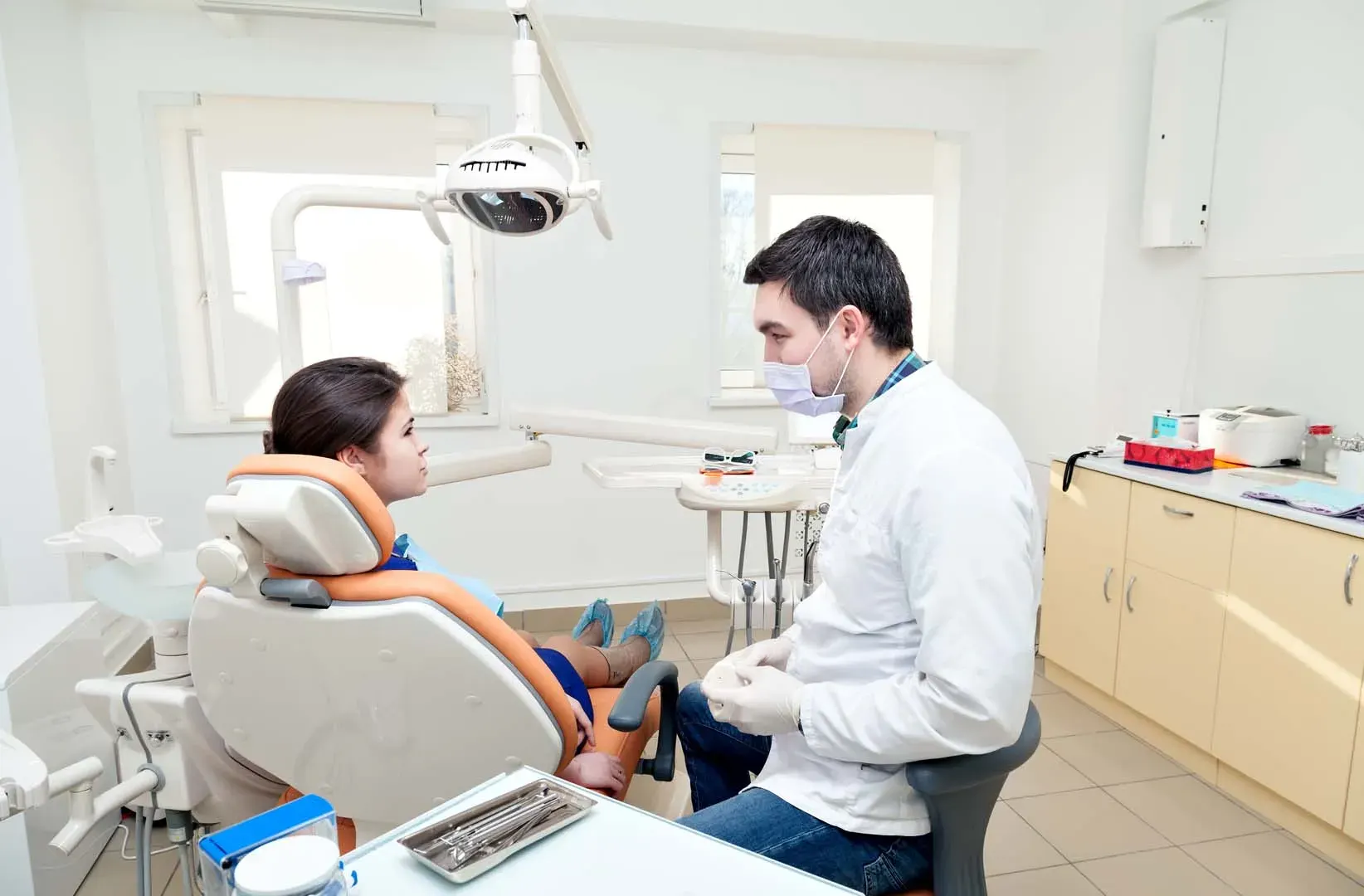
Ridge Augmentation at Clark Dental in Salisbury, NC

Ridge Augmentation Dental Treatment in Salisbury, NC

When a tooth has been missing for a while, the jawbone underneath it can shrink and lose its shape. Ridge augmentation dental treatment rebuilds that lost structure so a dental implant has solid, healthy bone to anchor into. At Clark Dental in Salisbury, NC, we use 3D cone beam CT imaging to map your jaw before recommending this step, and we keep the planning and care in-house. We accept major insurance plans, including Blue Cross Blue Shield, Cigna, and Delta Dental, and we welcome new patients from Salisbury and nearby communities. If you've been told an implant isn't possible yet because of bone loss, here's what this treatment involves and why it may help support a lasting replacement tooth.

What Is Ridge Augmentation and Who Needs It

The alveolar ridge is the bony ridge in your jaw that holds your teeth in place. When a tooth is lost and not replaced right away, that bone can shrink over months or years, since it no longer gets the stimulation it needs from chewing. Alveolar ridge augmentation adds bone or bone-like material back to that area, widening and building up the ridge so it can properly support a dental implant. Without this step, an implant may not have enough bone to stay stable long-term.

Signs Your Jaw Ridge May Need Rebuilding Before Implants

  • A visibly sunken or narrow area of gum where a tooth used to be
  • A tooth missing for a year or more without replacement
  • An implant consultation where imaging shows insufficient bone width or height
  • Difficulty wearing a denture comfortably because the ridge has flattened

Planning and Recovery at Clark Dental

01

How Advanced Imaging at Clark Dental Guides Treatment Planning

We use 3D cone beam CT scanning and digital impressions to see the exact shape, density, and height of your jawbone before any treatment begins. This lets Dr. Clark plan your ridge augmentation dental care with precision, rather than estimating from a flat X-ray, and it helps us map out implant placement at the same time so your whole treatment plan stays connected and predictable.

02

Recovery and Healing: What the Process Looks Like

Most patients experience some swelling and mild soreness for the first few days, manageable with over-the-counter pain relief unless we recommend otherwise. The graft site typically needs several months to heal and integrate with your existing bone before an implant can be placed, though healing time varies by patient and the extent of rebuilding needed.

Benefits of Restoring Your Jaw Ridge Before Implant Placement

Rebuilding the ridge before implant placement gives the implant a stronger, more stable base, which supports a longer-lasting result. It also helps preserve the natural contour of your jaw and face, since bone loss over time can change how your cheeks and lips are supported. For patients considering a denture or bridge instead of an implant, a rebuilt ridge can also improve fit and comfort.

What to Expect During Ridge Augmentation at Clark Dental

During the procedure, the area is numbed and bone graft material is placed along the ridge to rebuild width and height where it's needed. Depending on your situation, this may be done on its own or alongside an oral surgery procedure like an extraction. We'll walk you through anesthesia options ahead of time so you know what to expect and feel comfortable with the plan.

Ridge Augmentation vs. Bone Grafting: Understanding the Difference

Patients preparing for implants often hear both terms and wonder how they're different. The table below breaks down the key distinctions.

FeatureRidge AugmentationBone Grafting
PurposeRebuilds width and height of a shrunken jaw ridgeAdds bone volume to a specific site, often after extraction or infection
Procedure areaAlong the top or side of the alveolar ridgeLocalized socket or defect area
Timing relative to implantsUsually done as a broader, planned step before implant placementOften done immediately after an extraction to preserve the site
Healing periodSeveral months for the ridge to stabilizeVaries, often shorter if done right after extraction

These two treatments often work together. See our bone grafting page for more detail on that specific procedure.

Frequently Asked Questions About Ridge Augmentation

Q1

Will insurance cover ridge augmentation dental treatment?

Coverage depends on your plan and the reason for treatment. We accept Blue Cross Blue Shield, Cigna, and Delta Dental, and our team will verify your benefits and costs before treatment begins.

Q2

How long after ridge augmentation can I get dental implants?

Most patients wait a few months for the graft to heal before implant placement. Dr. Clark confirms timing with follow-up imaging to make sure the ridge is ready to support an implant.

Q3

Is ridge augmentation performed at Clark Dental or referred out?

We perform ridge augmentation in-house using our 3D imaging and computer-guided planning, so you won't be referred elsewhere for this step. Dr. Clark oversees your plan from imaging through healing.

Q4

Does the procedure require sedation or anesthesia?

Most patients are comfortable with local anesthesia during treatment. We'll discuss sedation options with you beforehand if you feel anxious or your case calls for it.

Let's Find Out If Your Jaw Ridge Needs Rebuilding First

If a tooth's been missing a while and you're considering an implant, the best next step is a consultation where we look at your bone with 3D imaging and talk through your options. Our team in Salisbury is glad to walk you through what alveolar ridge augmentation would involve for your specific case, from planning through healing. Learn more about our full lineup of specialty and advanced care services as well.